Sencha
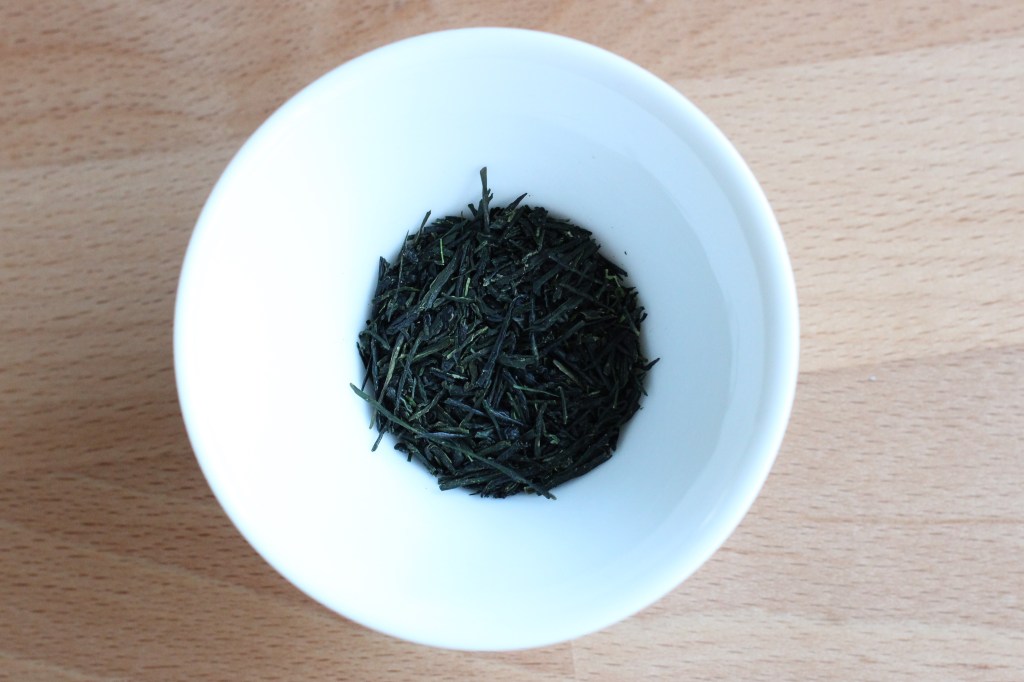
Japan's most familiar everyday green tea. In a tasting, sencha helps you notice freshness, gentle bitterness, aroma and the effect of region or grade.
Tokyo tea guide
In one English-guided session, compare sencha, matcha, gyokuro, hojicha, genmaicha and more side by side, then leave with a clearer sense of what Japanese tea you actually enjoy.
Why compare side by side?
Many travelers know matcha, but Japanese tea is much wider than one powdered tea. When several teas are tasted side by side, the differences become easier to notice: fresh green aroma, gentle sweetness, savory umami, roasted warmth, grain-like comfort, bitterness, texture and finish.
The goal is to build a simple sensory map. After the tasting, you should feel more confident ordering tea in cafes, visiting tea shops, or choosing tea to take home during the rest of your trip.
The core styles
Japan's most familiar everyday green tea. In a tasting, sencha helps you notice freshness, gentle bitterness, aroma and the effect of region or grade.
Matcha is whisked rather than steeped. It can feel rich, vivid and creamy, but it becomes easier to understand when tasted beside leaf teas.
Known for concentrated umami and softness. Gyokuro is useful for understanding how shade-grown leaves can change sweetness and depth.
Roasting brings a warmer, toasty aroma. It often feels more relaxed and familiar, especially for guests who are new to green tea.
Green tea blended with roasted rice. The roasted brown rice aroma makes it a helpful contrast to more grassy, marine or umami-rich teas.
The exact lineup can vary, but the session is built around comparison. Additional teas help show how processing, region and brewing choices shape flavor.
What changes flavor
Japanese tea can change dramatically with small brewing choices. The tasting makes those changes practical rather than abstract, because you can compare cups while the aroma and finish are still fresh in your memory.
For beginners and tea lovers
The session is guided in English by Yosuke, founder of ShiZen Tea. Beginners can use the tasting to understand the main categories without feeling lost. Tea lovers can enjoy the depth of tasting multiple styles side by side instead of only ordering one cup at a cafe.
If you are deciding between this and a formal tea ceremony, the difference is simple: ShiZen is focused on tasting, comparison, brewing and conversation. For ritual, etiquette, kimono or a ceremonial setting, a formal tea ceremony may be the better fit. You can read the full comparison in the tea tasting vs tea ceremony guide.
Taste several Japanese tea styles close together so the differences become easier to remember.
Use the session to ask practical questions about flavor, brewing, tea buying and what to try next.
Leave better prepared to order tea, visit tea shops or select a tea souvenir with more confidence.
What you can understand after the session
Inside the session
ShiZen Tea Experience is held in Morishita, Tokyo, near Kiyosumi-Shirakawa and Ryogoku. It is a 90-minute, small-group tasting, usually for 1-5 guests, with direct booking available through Schedulista.
This is not a formal tea ceremony. It is designed for travelers who want to taste and understand Japanese tea through comparison.
FAQ
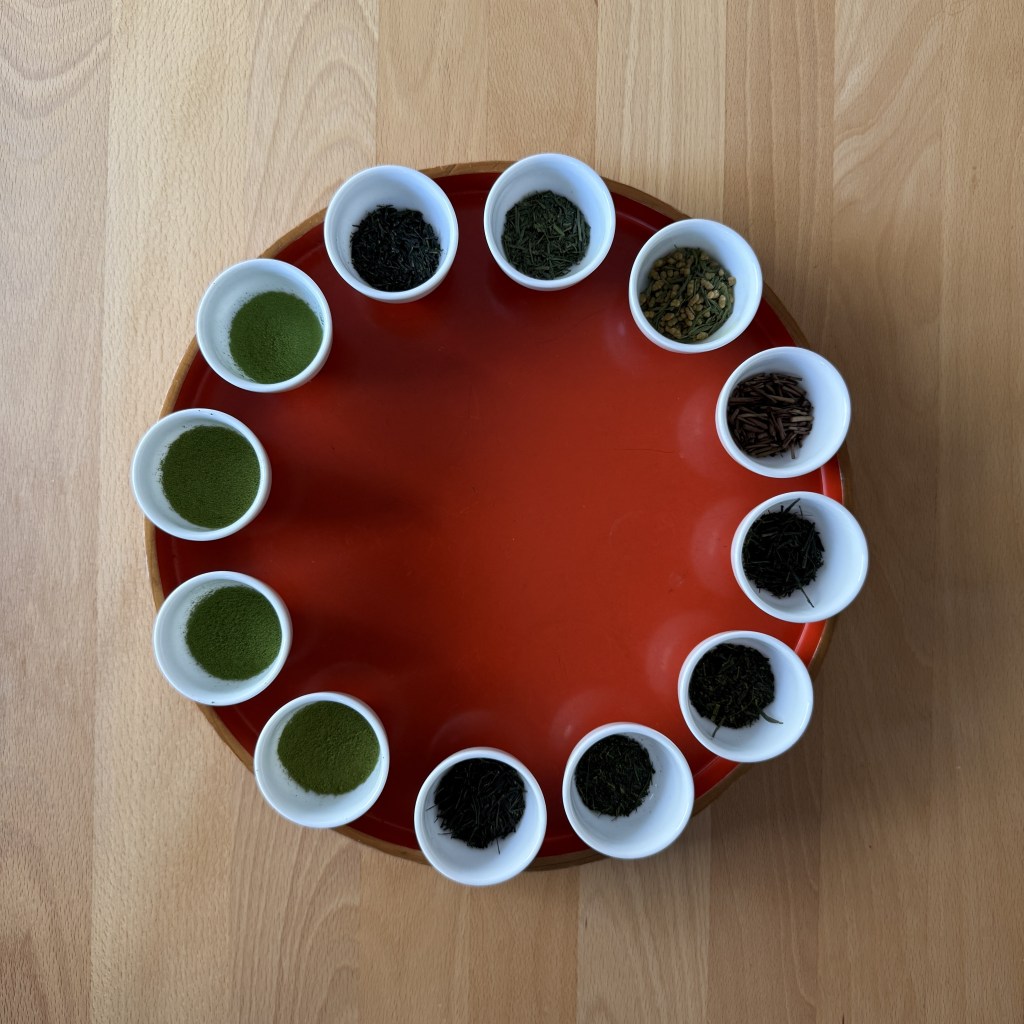
You will taste 12 Japanese teas. Sencha, matcha, gyokuro, hojicha and genmaicha are the core styles guests usually want to understand, and the exact broader lineup can vary by availability and session.
No. Beginners are very welcome. The session is structured so you can compare what is in the cup without needing technical vocabulary first.
No. Matcha is included, but the session is broader than a matcha-only class. It is a Japanese tea tasting that compares many styles side by side.
The tasting is held in Morishita, Koto-ku, Tokyo, near Kiyosumi-Shirakawa and Ryogoku. Detailed arrival notes are sent after booking. For more area context, read the Morishita and Kiyosumi-Shirakawa location guide.
Book the 12-tea tasting
Join the 90-minute ShiZen Tea Experience in Morishita. Compare 12 Japanese teas in a small-group, English-guided session with Yosuke.
Reserve Your Session